Kabuni Premier League Launches in Mumbai
May 15, 2026
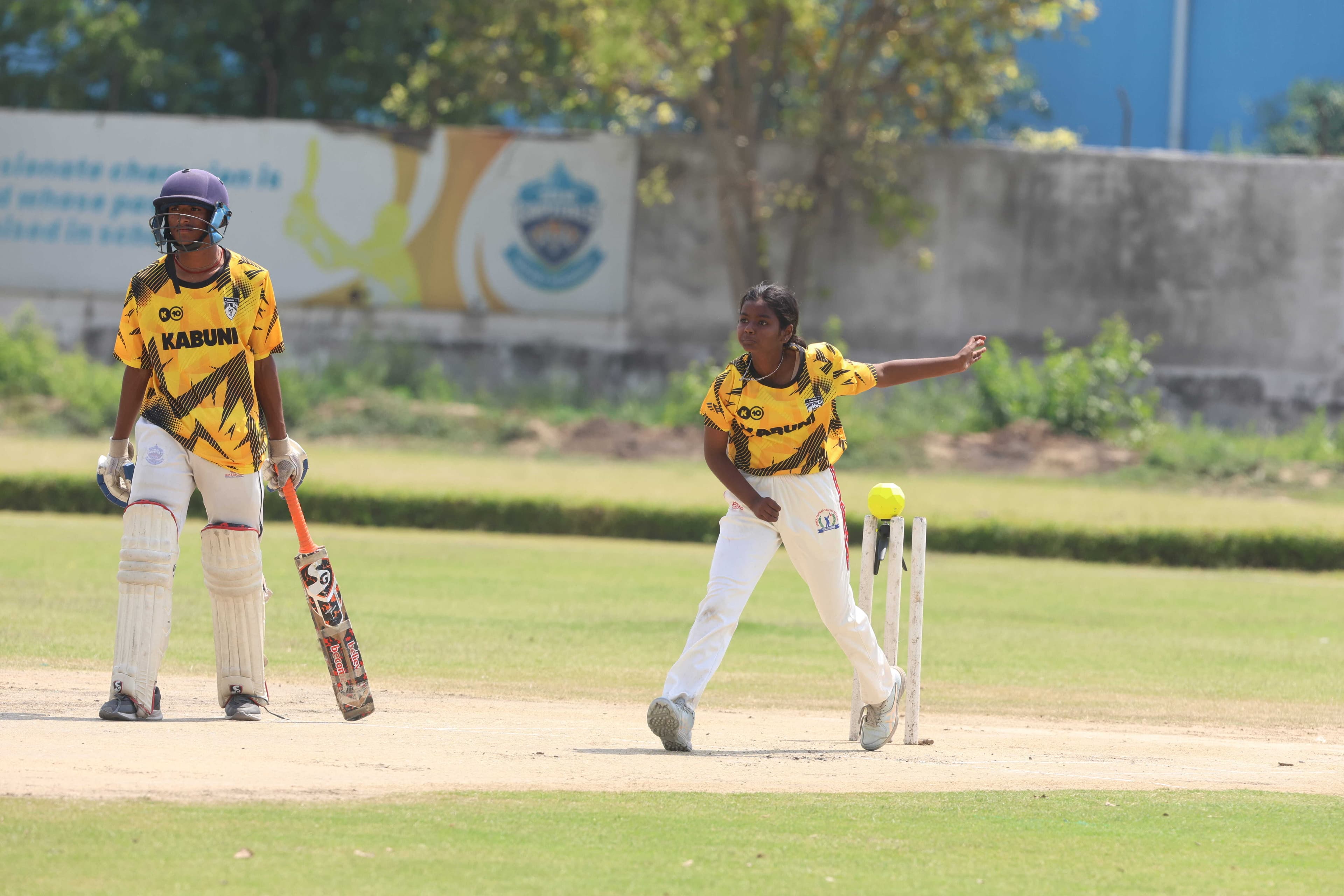
The countdown has begun for a moment that could reshape the structure of school cricket. This May, Mumbai will see the official launch of the Kabuni Premier League, marked by a one-day inter-school T-10 tournament at Shivaji Park, Mumbai - a venue long associated with the city’s cricketing legacy.
Six schools, one title
Apeejay School, Vibgyor Group of Schools, Nita Mukesh Ambani Junior School, Goenka & Associates Educational Trust, Ryan International School, and CNM School, will take part in the opening tournament. Designed for players aged 12 to 16, the format features two groups of three teams, a round-robin within each group, and a final between the top teams. Seven matches will be played across a single day.
The T-10 format creates a fast-paced environment where matches move quickly and every over carries importance, compressing the game's rhythm into shorter, high-intensity phases.
What distinguishes the Kabuni Premier League is its effort to replicate elements of a professional cricket ecosystem at the school level. Matches will feature certified umpires, dedicated scorers, and a structured setup aligned with organised competitive cricket.
A broader vision
These are match-winners tutoring match-winners-in-the-making, and that’s the quiet headline of this league.
Prominent cricketing figures such as Sourav Ganguly and Shane Watson are expected to be associated with the ecosystem, contributing their experience to player development and engagement.
Beyond the matches, Kabuni is building a data-driven cricket ecosystem that sets it apart from traditional school tournaments. The league integrates performance tracking with AI-driven analytics to capture key aspects of the game, including batting patterns, bowling spells, and in-game decisions.
Each match generates structured data, allowing performances to be reviewed with greater clarity. Players and coaches gain access to objective insights into consistency, trends, and areas of improvement, supported by AI-driven analysis that identifies patterns over time.
In effect, Kabuni is introducing a system where school-level cricket is not just played, but measured and understood with the precision of higher-level sport.
The tournament will conclude with a Grand Final attended by school leadership. Individual performances will be recognised, and the winning team captain, along with school representatives, will be invited to a national event on June 7 at the Jio Centre in Mumbai, bringing together players, educators, and cricketing figures.
For schools, the league extends beyond competition, offering city-level visibility, recognition, and entry into a wider tournament pathway across state and national levels. Parents from participating schools will also be invited, making it a shared experience.
"These are match-winners tutoring match-winners-in-the-making, and that’s the quiet headline of this league."
The Kabuni Premier League begins with a single-day tournament, but its focus is clearly longer-term. It sets the foundation for a more structured, data-informed approach to school cricket.
But beyond the structure, beyond the technology, beyond the format - there is something else driving the anticipation.
Opportunity
The chance for a 14-year-old to be noticed within a structured cricketing ecosystem.
The chance to perform in an environment aligned with the modern game.
The chance to be seen.
As the countdown begins, one thing is clear: the Kabuni Premier League is not just launching a tournament.
It is setting a standard, and every player stepping onto that field will know they are part of something built for where the game is going next.